

You might check off 20 things from your list today, but still feel like you've done nothing.
This is not a time problem; it's a misalignment problem.
Your thoughts might say "focus," but your emotions say "panic," and your body is just "scrolling to survive the day".
This isn't laziness or being stuck.
You're simply running three operation systems at the same time, and none of them are in sync.
Understanding Neuro Alignment
This state of disarray is contrasted with what is called "neuro alignment," which occurs when
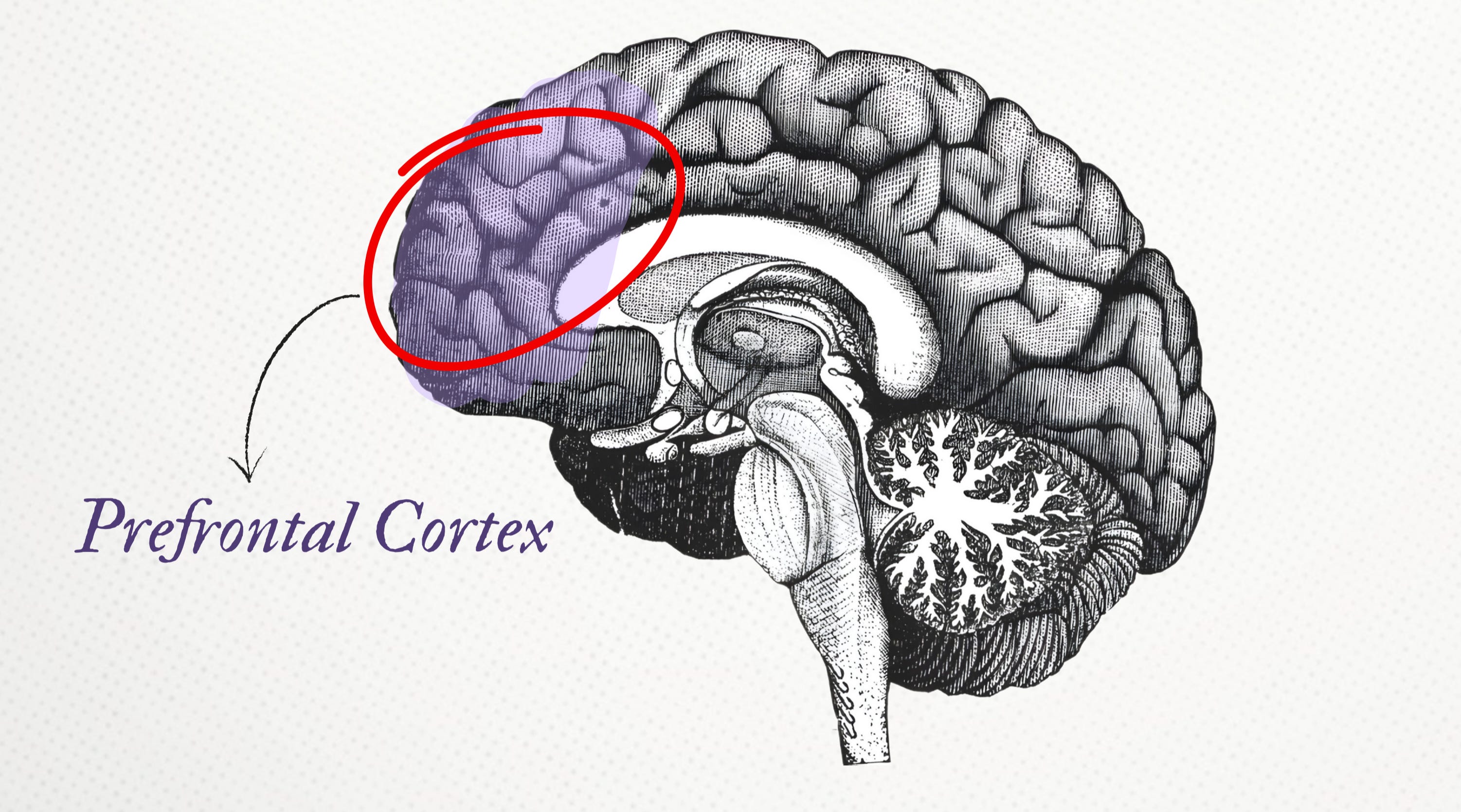
Your logical brain (prefrontal cortex),
Your emotional brain (amygdala), and
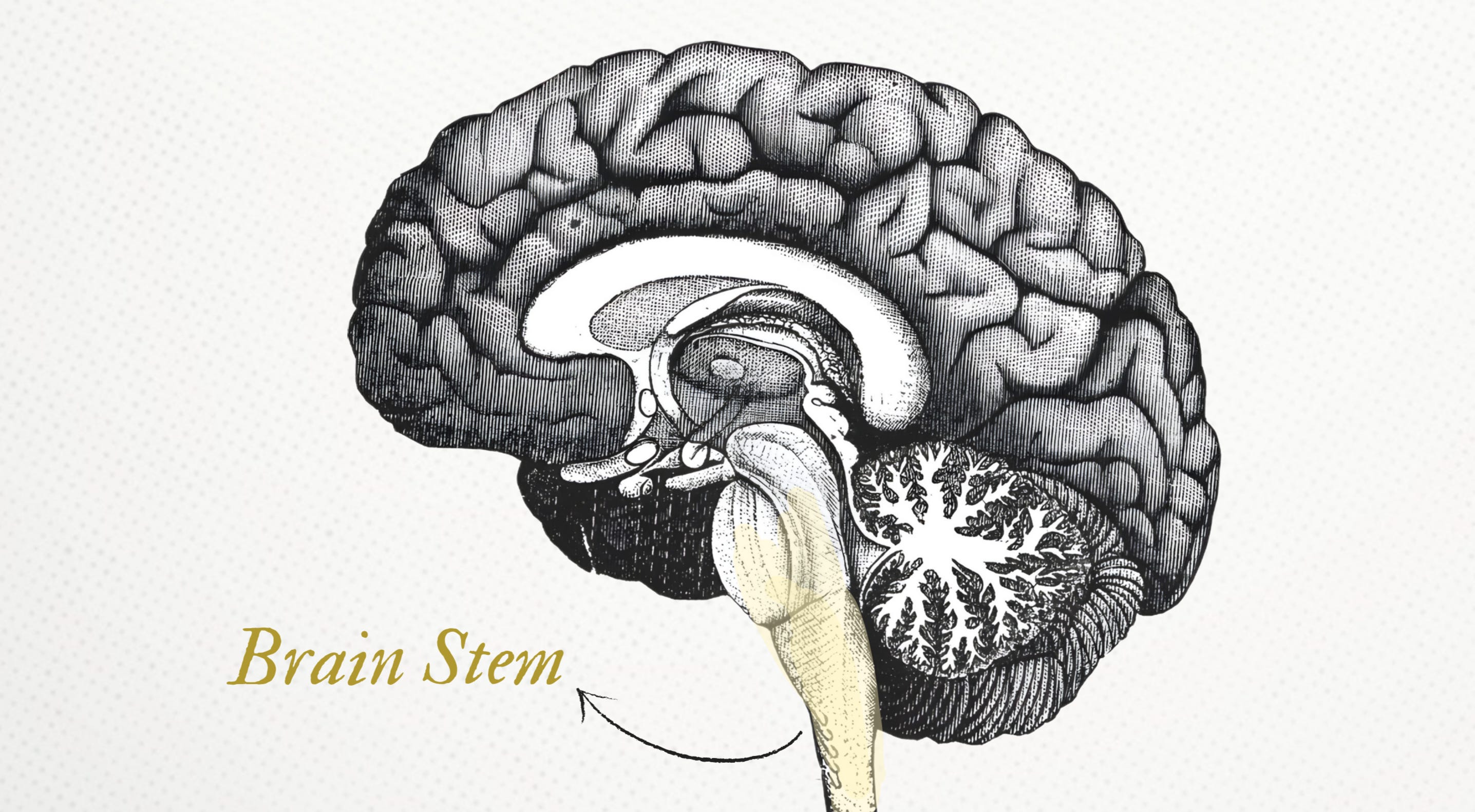
Your survival brain (brain stem)
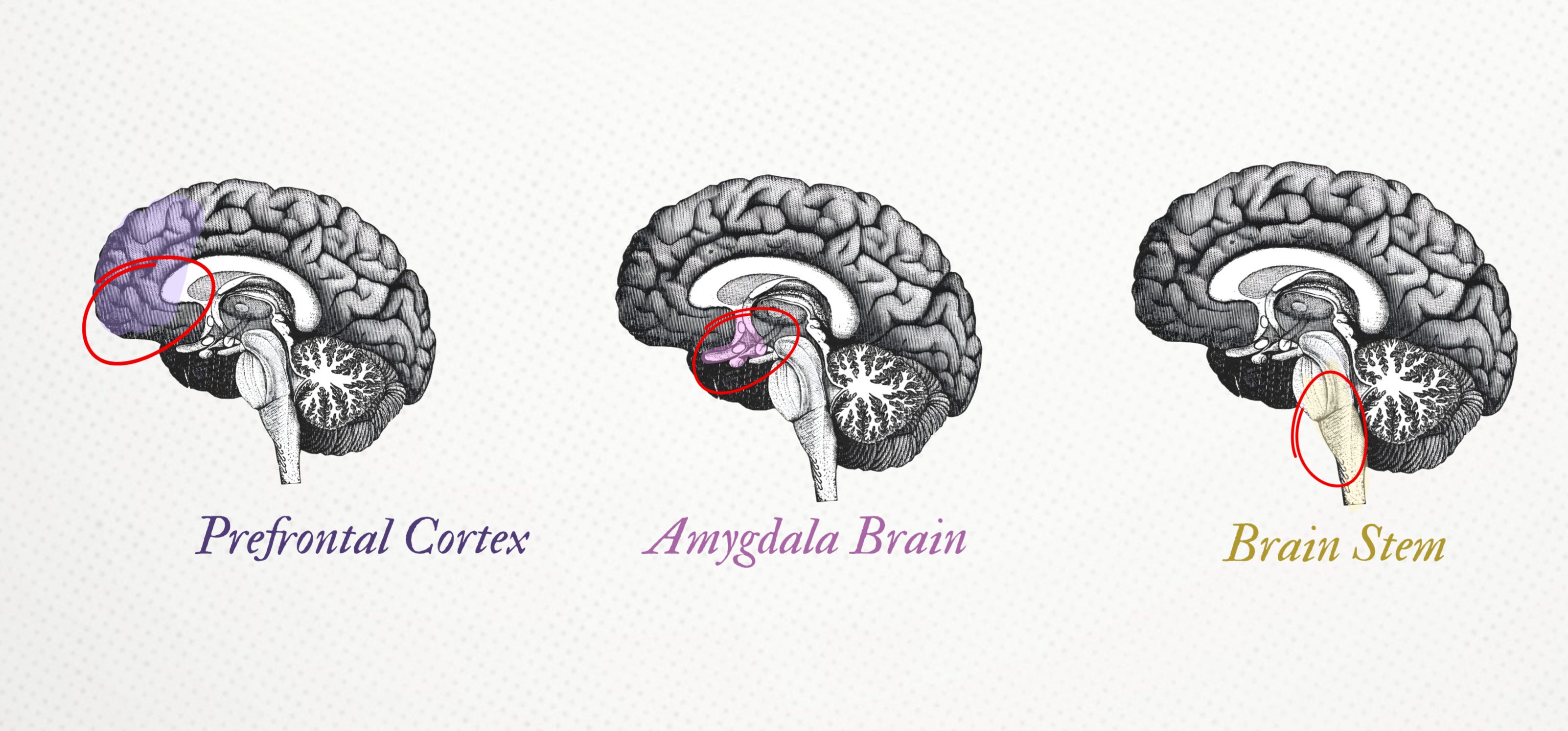
are finally communicating with each other instead of conflicting.
Currently, these parts of your brain are reacting to different things, which is why you can't focus and your attention is fragmented.
The Impact of Digital Distractions
Historically, deep thoughts such as Albert Einstein's theory of relativity, came from focused time, not from multitasking and doom scrolling.
In today's environment, every app, every ping, and every scroll hijacks your amygdala, flooding your system with noise.
When the amygdala becomes overreactive, the prefrontal cortex the part responsible for focus, planning, and execution literally goes offline.
Stanford studies back this, showing that multitaskers perform worse, not better, because little bits of distraction build up like "digital cholesterol" (is a metaphorical term for the excess and unnecessary digital information that clogs our cognitive systems, leading to mental and emotional strain) in your attention.
The Fix: Neuro Alignment in Three Steps
Here's how to achieve neuro alignment in three steps, before you open another tab:
1. Logic (Prefrontal Cortex):
Set ONE single intention before opening another tab.
Give your brain a clear mission or it will chase everything and accomplish nothing.
One focus.
One outcome.
That's it.
2. Emotion (Amygdala):
Name what you're feeling out loud.
"I feel overwhelmed."
"I feel scattered."
"I feel anxious."
This simple act decreases amygdala activity by up to 50%.
Your emotions lose their grip when you acknowledge them.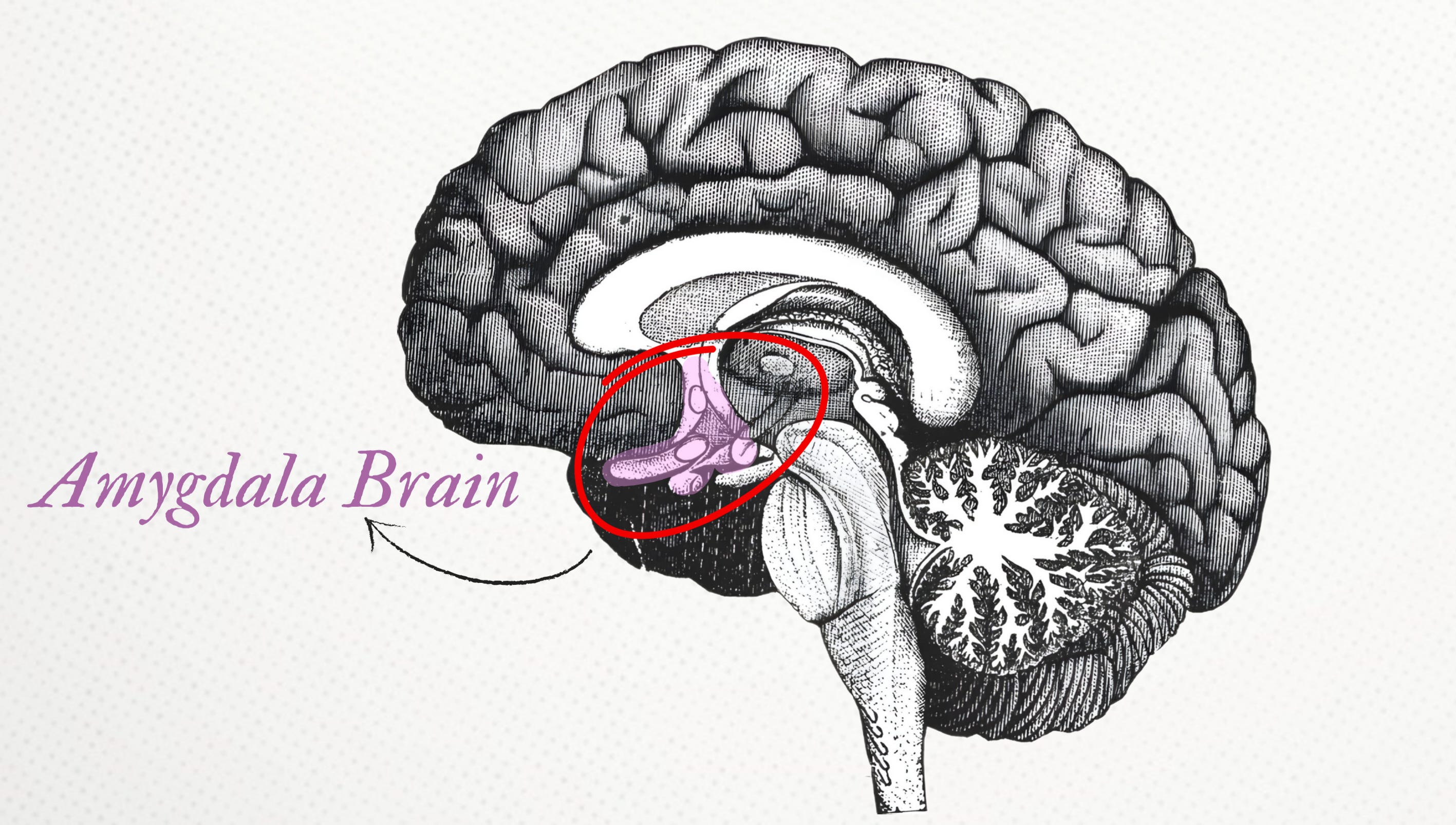
3. Body (Brain Stem):
Use the 5 seconds in, and 5 seconds out, for 90 seconds.
This simple act signals to your body that you are safe, which is when you can focus again.
Only when your body feels safe can your prefrontal cortex come back online.
This isn't "wellness fluff"; it's biology.
What You Will Notice Afterwards
After practicing neuro alignment, you will notice your thoughts slowing down, you will make fewer "stupid decisions," and you will get back into the driver's seat of your mind.
When your system is aligned, your attention returns to you.
Your attention isn't broken; your brain is just looking in three different directions. Real focus is not about working harder, it's about aligning your brain so effectively that "when you walk in, you own the place".
How this makes you 1% better:
Before opening your next app or task, practice the 3-step alignment:
Set ONE clear intention ("I'm checking email to respond to my boss")
Name your current emotion out loud ("I feel scattered"
Take 5 breaths in and out for 90 seconds.
Your brain will literally rewire itself to focus instead of fragment.
Be 1% Better each day.
~ Elevated Path