

In 1980, a Dartmouth psychologist named Dr. Robert Kleck conducted an interesting experiment with a group of undergraduate students.
Everyone would go through a series of professional interviews,
but before they began,
half the participants were told they would have a large scar painted prominently on their face by a makeup artist.
The scar they were shown in the mirror was removed prior to the interviews,
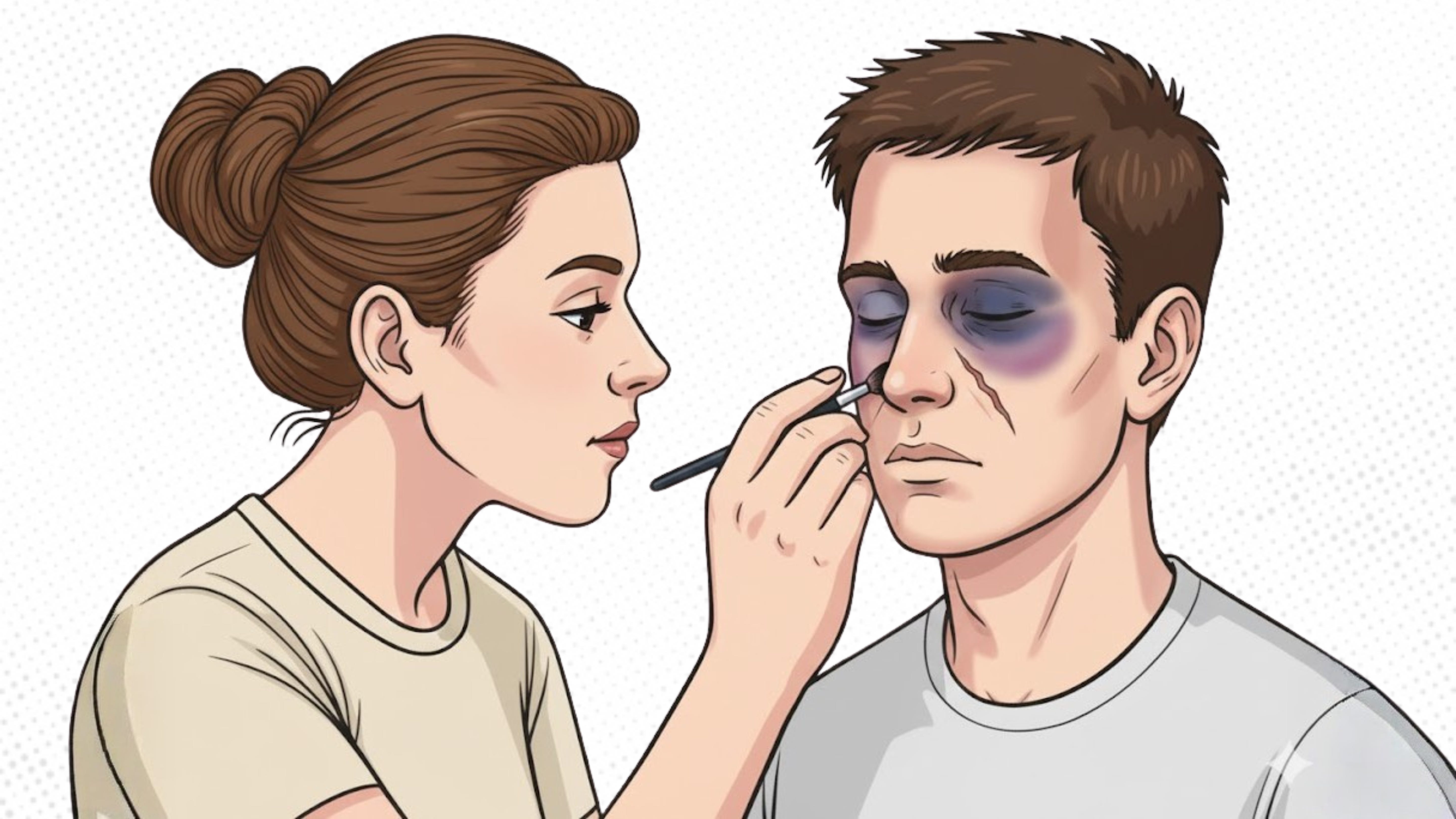
but half the participants engaged in the interviews believing that they had a large scar in full view of the interviewer.
The Revealing Results
In the fascinating results, the participants who believed they had the scar noted that the interviewers had treated them differently.
They cited feelings of judgment, helplessness, and powerlessness in the situation.
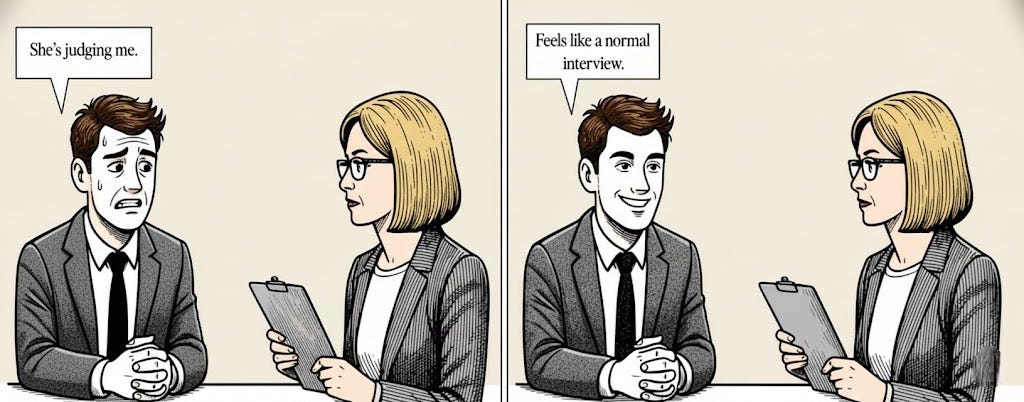
The participants who believed they had appeared normal did not express any such feelings.
Simply believing they had a scar caused the participants to interact with the world differently and perceive slights that did not exist.
This reveals something fundamental:
Your belief about yourself shapes how you interpret everything around you. The interviewers behaved the same toward everyone.
The difference was entirely in the participants’ heads, yet it felt completely real to them.
What This Really Shows
The Dartmouth Scar Experiment is an interesting case study on the impact of the so-called Victim Mentality on our lives.

Victim Mentality is a mindset in which a person consistently views themselves as the target of external forces, believing that their challenges and failures are primarily a byproduct of circumstances outside their control.
Victim vs. Victim Mentality
Victim Mentality is different from being a victim.
We’re all victims of unfortunate events at some point in our lives. As the phrase goes, sometimes sh*t happens.
Victim Mentality is about adopting victimhood as part of your identity.
It’s a belief that life happens to you.
The distinction matters.
Being a victim is a temporary state—something happened to you.
Victim Mentality is a permanent lens—you interpret everything through victimhood, even when it’s not actually happening.
The Power Transfer
When we attribute our own misses, failures, and challenges to factors outside our control, we give too much power to them.
This is the psychological trap.
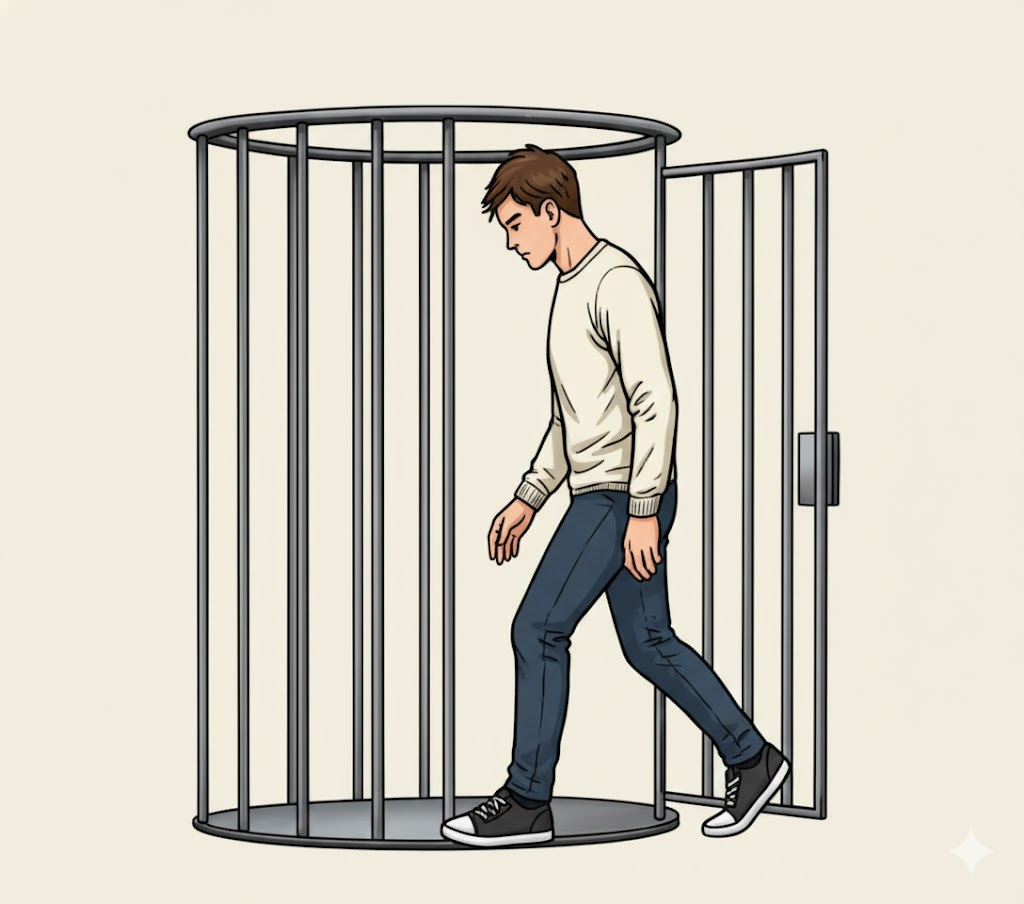
By making external forces responsible for your situation, you simultaneously make them responsible for fixing your situation.
You’ve outsourced your agency.
This is why change cannot be outsourced—believing others control your fate means waiting for others to save you.
Alternatively, when we embrace accountability—when we take ownership of our situation and the actions and beliefs that are within our control—we take back that power.
Accountability isn’t about blame.
It’s about reclaiming your ability to act.
Even if 90% of your situation is outside your control, you still have 10%.
Victim Mentality focuses on the 90%.
Accountability focuses on the 10%—and uses it.
The Unfair Reality
Life definitely isn’t fair.
It’s a troubling reality.
But instead of wasting energy on every obstacle in your way, focus on what you can control and how you can break through.
The Self-Perception Feedback Loop
Here’s what the Dartmouth Scar Experiment really teaches:
Your self-perception →
Affects your behavior →
Changes how others respond →
Confirms your self-perception
The participants who believed they had a scar:
Felt self-conscious and defensive
Behaved accordingly (less confident, more guarded)
Perceived normal responses as judgmental
Confirmed their belief that “people treat me differently”
The “scar” became real through this loop—not physically, but functionally.
It affected their lives as if it existed.
When you wear a psychological mask—performing instead of being yourself—you create the same loop. You believe others won’t accept the real you, so you hide.
Your hiding creates distance.
The distance confirms that “people don’t really know me.”
The mask becomes permanent.
Breaking the Loop
The solution isn’t positive thinking.
It’s testing your assumptions.
The participants believed the scar changed how interviewers treated them.
They never considered:
“What if I’m interpreting normal behavior as judgment because I’m hyper-focused on my perceived flaw?”
The accountability questions:
What evidence do I have that this is actually happening?
Am I interpreting neutral behavior as hostile because of my own insecurity?
What would change if I acted as if the “scar” didn’t exist?
Where do I actually have control in this situation?
The Practical Application
This week, run this experiment:
Identify your “scar” -
What do you believe others judge you for? (Your background, your appearance, your inexperience, your past failures)
Notice your behavior -
How does this belief change how you show up? (Do you overcompensate? Hide? Pre-emptively defend yourself?)
Test the assumption -
Act as if the scar doesn’t exist for one day. Notice if people actually treat you differently or if you’re interpreting the same behavior through a different lens.
Collect data -
Did anything actually change? Or did you just experience the same reality with less self-consciousness?
Most “scars” only exist in your perception.
But your perception makes them functionally real by changing your behavior, which changes your results, which confirms your perception.
The Core Truth
The world reflects back what you project.
Not because of cosmic energy or manifestation, but because your beliefs shape your behavior, and your behavior shapes outcomes.
Stop waiting for the world to prove you’re not scarred.
Start acting as if you never were.
The power was always yours.
You just gave it away by believing the scar mattered.
Before you go: Here are 2 ways I can help
#1 Premium Newsletters FREE Access - Free access of the Premium Newsletters reading by top 1%, exclusive for Elevated Path readers.
#2 The Art Of Habits FREE GUIDE - A blueprint on how to Build Habits that Stick & Break Bad Ones.
Untill next letter
~ Elevated Path
What if your 'scar' is something you cannot remove? Like your skin color?